Bakery Premix Enzyme Procurement Checklist
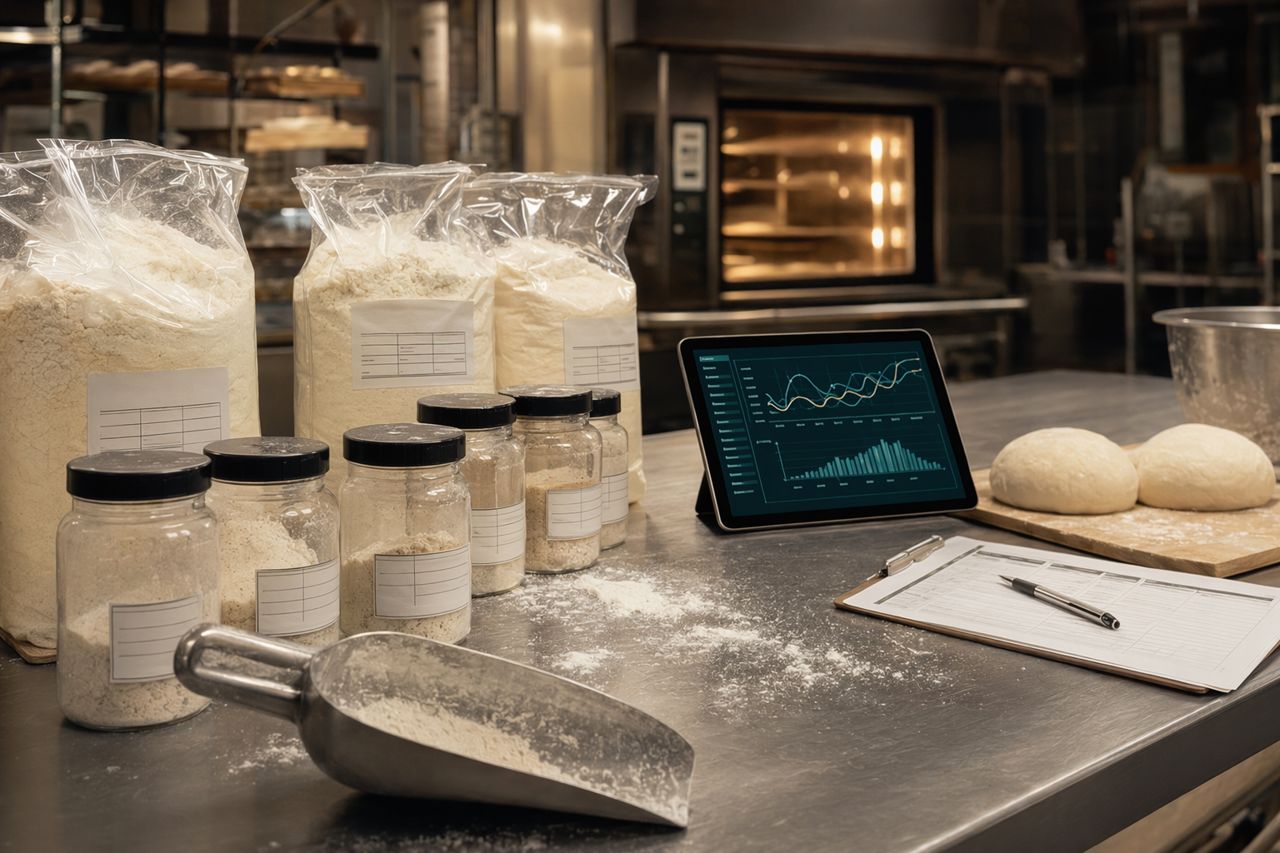
For a bakery premix manufacturer, enzyme procurement is not just a price comparison. The right enzyme system has to survive dry blending, remain uniform in the pack, support repeatable dough performance, and arrive with documentation your technical and quality teams can actually approve.
This checklist is built for teams sourcing bulk bakery enzymes for premix manufacturers who need formulation-fit, plant-floor practicality, and dependable commercial supply.
What procurement must prove before bulk approval
A bakery enzyme may perform well in a bench bake and still fail in premix production if the physical form, carrier, storage stability, or lot controls are not aligned with your manufacturing reality.
Before issuing a bulk purchase order, confirm these points with your supplier.
1. Start with the finished-premix performance target
Do not buy an enzyme by category alone. Define what the premix must deliver after your customer hydrates, mixes, ferments, proofs, sheets, freezes, bakes, or reheats it.
Common performance targets include:
- Increased loaf or bun volume consistency
- Improved dough tolerance during mixing and processing delays
- Softer crumb over the expected shelf-life window
- Better machinability for sheeting, moulding, or depositing
- Reduced variation across flour lots
- Cleaner performance in high-sugar, high-fat, or wholegrain systems
- Better resilience in frozen or par-baked applications
Procurement should ask: does the supplier understand the finished application, or are they offering a generic bakery enzyme without premix-specific guidance?
2. Confirm the enzyme form is suitable for premix manufacturing
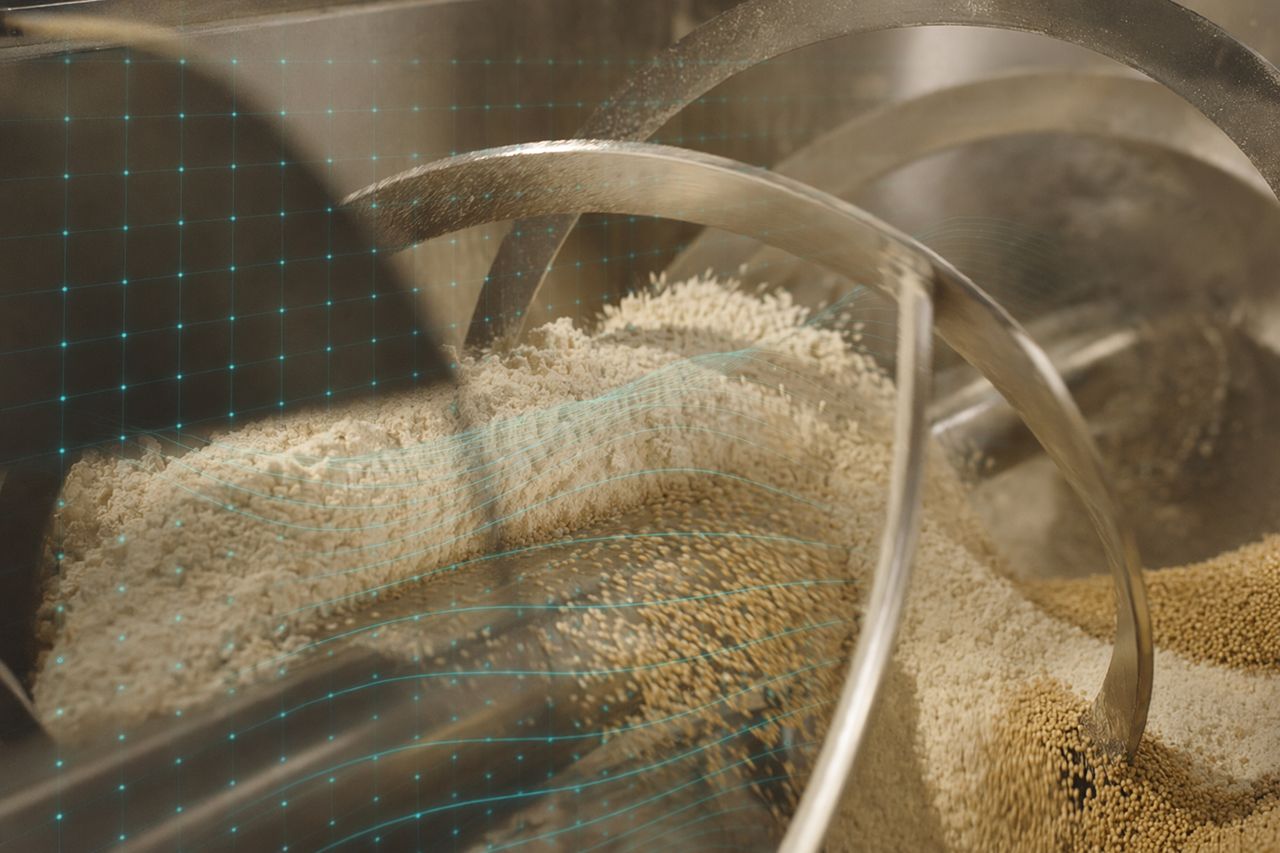
Premix plants handle enzymes differently than bakeries. Your supplier should be able to discuss dry blending behavior, handling risk, and compatibility with your production flow.
Check for:
- Free-flowing powder or granulate behavior suitable for dry premix systems
- Low dusting characteristics for safer handling and cleaner dosing areas
- Carrier compatibility with flour, starch, sugar, salt, gluten, milk powders, and minor ingredients
- Low risk of segregation during ribbon blending, transfer, filling, pallet movement, and freight
- Moisture sensitivity guidance for open-bin time and repackaging operations
- Odor, color, and visual impact on white or specialty premixes
If an enzyme can only be handled under narrow lab conditions, it may not be ready for bulk premix production.
3. Verify blending strategy before scale-up
Low-inclusion ingredients need a deliberate blending plan. Even a strong enzyme system will underperform if it is not distributed consistently through the batch.
Clarify:
- Whether direct addition or pre-dilution is recommended
- Best addition point in the ribbon blender or batch sequence
- Minimum practical batch size for uniform distribution
- Compatibility with your existing micro-ingredient dosing process
- Expected blend uniformity targets and sampling approach
- Whether the enzyme should be added before or after high-friction ingredients
For premix manufacturers, uniform distribution is a commercial requirement. It protects customer bake consistency and reduces complaints tied to bag-to-bag variation.
4. Check compatibility with the full ingredient system
Bakery premixes are rarely simple flour blends. Enzymes may interact with oxidants, reducing agents, emulsifiers, hydrocolloids, proteins, fibers, sugars, fats, salts, preservatives, and mineral systems.
Ask your supplier to evaluate compatibility with:
- Wheat flour, composite flour, wholegrain, or gluten-free bases
- Added gluten or protein concentrates
- Emulsifiers and dough conditioners
- Ascorbic acid and other redox systems
- Sugar, dextrose, malt, syrups, and high-sweetener formats
- Fats, shortening powders, and encapsulated lipids
- Fibers, seeds, inclusions, and specialty grains
- Salt, minerals, and fortified premix components
The goal is not just enzyme presence. The goal is controlled function inside your exact premix matrix.
5. Match the enzyme system to the customer process
A premix manufacturer sells performance into many downstream environments. Your enzyme choice should account for how your customers use the product.
Map these variables before selection:
- Mixer type and mixing time
- Dough hydration range
- Fermentation or no-time dough process
- Proofing tolerance requirements
- Frozen dough or chilled dough storage
- Sheeting, moulding, depositing, or extrusion steps
- Bake profile and final product format
- Distribution and shelf-life expectations
This is where formulation-led procurement creates value: the supplier should help translate customer process variation into enzyme selection criteria.
6. Review storage stability and packaging fit
Bulk enzymes for premix production need predictable stability from receipt to finished-product use. Storage guidance should be practical for your warehouse, not just ideal conditions.
Confirm:
- Recommended storage temperature and humidity range
- Shelf-life guidance for unopened and opened packs
- Sensitivity to moisture pickup during weighing and staging
- Packaging format for your dosing room and inventory flow
- Pallet, liner, and closure suitability
- Whether repacking or pre-blending affects performance expectations
- First-in, first-out recommendations for production scheduling
If your premix is shipped to distributors or regional bakeries, ask how the enzyme system behaves through realistic transport and storage cycles.
7. Require documentation that quality can approve
A bakery premix enzyme supplier should provide clear documentation before bulk onboarding.
Request:
- Product specification sheet
- Safety data sheet
- Allergen statement
- GMO status where applicable
- Halal, kosher, or other certification where required
- Country-of-origin information
- Food compliance statement for target markets
- Lot traceability process
- Certificate of analysis or lot release document
- Change-control notification policy
- Shelf-life and storage statement
Documentation should be current, consistent, and aligned with the markets where your premixes are sold.
8. Evaluate lot-to-lot consistency and change control
Premix manufacturers need repeatable outcomes across procurement cycles. A formulation that works on one lot but drifts on the next creates production noise and customer risk.
Ask:
- How are functional specifications controlled from lot to lot?
- What notice is given before raw material, carrier, site, or process changes?
- Are retained samples available for investigation?
- How are complaints or performance deviations handled?
- Can the supplier support validation when a new lot is introduced?
Strong change control helps protect your formulation database, customer labels, and bake consistency claims.
9. Check commercial supply reliability
Technical fit matters, but procurement also needs stable availability.
Confirm:
- Bulk pack sizes available for production use
- Minimum order quantity and lead time
- Forecasting expectations
- Backup stock strategy
- Batch reservation or scheduled shipment options
- Import documentation and logistics support where relevant
- Ability to support pilot, launch, and ongoing production stages
A good supplier should help you avoid emergency substitutions that force reformulation or customer retesting.
10. Define pilot pass criteria before requesting bulk pricing
Before moving to a bulk quote, align internally on what success looks like.
Suggested pilot criteria:
- Dry blend uniformity within your internal target
- No visible segregation after handling and filling
- Stable premix flow through your dosing and packing equipment
- Target dough handling improvement in customer-use conditions
- Finished bake volume and crumb consistency within agreed limits
- Shelf-life or softness improvement where required
- Repeatable results across more than one production run
- Documentation accepted by quality and regulatory teams
When pass criteria are clear, procurement can compare suppliers on total manufacturing value instead of ingredient price alone.
Data to include with your request for quote
To receive a practical quote, share the technical and commercial context your supplier needs.
Include:
- Premix type and finished bakery application
- Current ingredient system or functional constraints
- Target outcome, such as volume, softness, tolerance, or machinability
- Estimated annual volume and first-order requirement
- Preferred pack size and delivery location
- Production batch size and blending method
- Storage and distribution conditions
- Certification or documentation requirements
- Launch timeline or reformulation deadline
The more complete the brief, the faster a supplier can recommend the right enzyme system and quote structure.
Quick procurement checklist
Use this as a short internal screen before supplier approval:
- The enzyme system is matched to the finished bakery application
- Physical form is suitable for dry premix blending
- Segregation, dust, and carrier risks have been reviewed
- Compatibility with the full ingredient matrix is confirmed
- Downstream customer process conditions are understood
- Storage and packaging guidance fits your warehouse and production flow
- Quality documentation is available before onboarding
- Lot traceability and change-control expectations are clear
- Bulk pack size, lead time, and supply continuity are acceptable
- Pilot pass criteria are defined before scale-up
Request a quote from DoughVector
DoughVector supports bakery premix manufacturers with enzyme systems selected around blend behavior, dough performance, storage reality, and bulk supply requirements.
If you are qualifying a new enzyme, replacing an inconsistent supplier, or building a new premix platform, send your application details through the on-site request a quote form. We will review your target performance, production setup, documentation needs, and volume requirements before recommending a practical supply path.