Bulk bakery enzymes for premix manufacturers
Bread improver performance depends on more than a single enzyme choice. For bakery premix manufacturers, the practical challenge is building a balanced system that survives premix handling, disperses evenly in flour, and delivers repeatable dough behavior across customer plants.
DoughVector supports bulk bakery enzymes for premix manufacturers formulating bread improvers with amylase, xylanase, glucose oxidase, and lipase. Our focus is plant-ready enzyme systems for dry blending, customer-specific improver lines, and private-label bakery premix programs.
The goal is simple: tighter batch consistency, more forgiving dough, and improver blends that are easier to manufacture, handle, and scale.
Why these four enzyme classes matter in bread improvers
Amylase, xylanase, glucose oxidase, and lipase are often used together because they influence different parts of the dough system. The value comes from controlled interaction, not maximum inclusion.
Amylase: fermentation support and crumb softness
Amylase helps manage starch conversion during dough processing and baking. In bread improver systems, it is commonly used to support:
- More consistent fermentation response
- Improved oven spring and loaf volume
- Softer crumb over shelf life
- Better performance across variable flour lots
For premix manufacturers, amylase selection must consider product positioning, flour strength, process length, and customer tolerance for variation. Overcorrection can create sticky dough, weak sidewalls, or inconsistent crumb structure, so the formulation target should be controlled performance rather than aggressive activity.
Xylanase: water management and dough machinability
Xylanase works on arabinoxylan structures that influence water distribution, dough viscosity, and gas retention. In bread improvers, it is used to improve:
- Dough handling on dividers, rounders, and moulders
- Loaf volume and crumb openness
- Water absorption efficiency
- Process tolerance under plant conditions
For dry premix systems, xylanase can help customers manage flour variation without constantly reformulating. The right xylanase profile improves extensibility and machinability without making the dough slack or sticky.
Glucose oxidase: dough strength and tolerance
Glucose oxidase supports oxidative strengthening in dough systems. It is often selected when the bread improver needs to increase:
- Dough strength during mixing and proofing
- Tolerance to mechanical stress
- Gas retention in weak or variable flour
- Shape stability in pan bread and buns
For premix manufacturers, glucose oxidase can reduce dependence on single-function strengthening additives and create cleaner, more balanced improver systems. The key is integration with reducing agents, oxidants, emulsifiers, and flour treatment components already present in the blend.
Lipase: volume, crumb structure, and emulsification support
Lipase can improve dough gas retention and crumb uniformity by modifying lipid interactions during mixing and baking. In bread improver systems, it can support:
- Increased loaf volume
- Finer, more uniform crumb structure
- Improved dough stability
- Partial emulsifier optimization in selected systems
Lipase performance is formulation-sensitive. It should be matched to the bread style, fat level, emulsifier package, flour type, and process conditions. For premix manufacturers, the commercial value is often better performance per improver blend rather than simply adding another functional component.
Building a balanced enzyme system
A high-performing bread improver is a controlled system. If amylase improves softness but weakens handling, xylanase and glucose oxidase may need adjustment. If lipase improves volume but changes crumb bite, emulsifier balance may need review.
DoughVector helps technical teams consider:
- Flour variability across customer regions
- Target bread type: pan bread, buns, rolls, toast bread, flat formats, or sweet dough
- Dry blend compatibility with carriers, flour, starch, and mineral components
- Segregation risk during conveying, filling, and transport
- Dust control and operator handling expectations
- Improver dosage range in customer bakeries
- Shelf-life target for finished bread and for the premix itself
- Label, market, and customer specification requirements
The result is a practical enzyme package that fits the premix operation and the bakery application.
Premix manufacturing concerns we design around
Blend uniformity
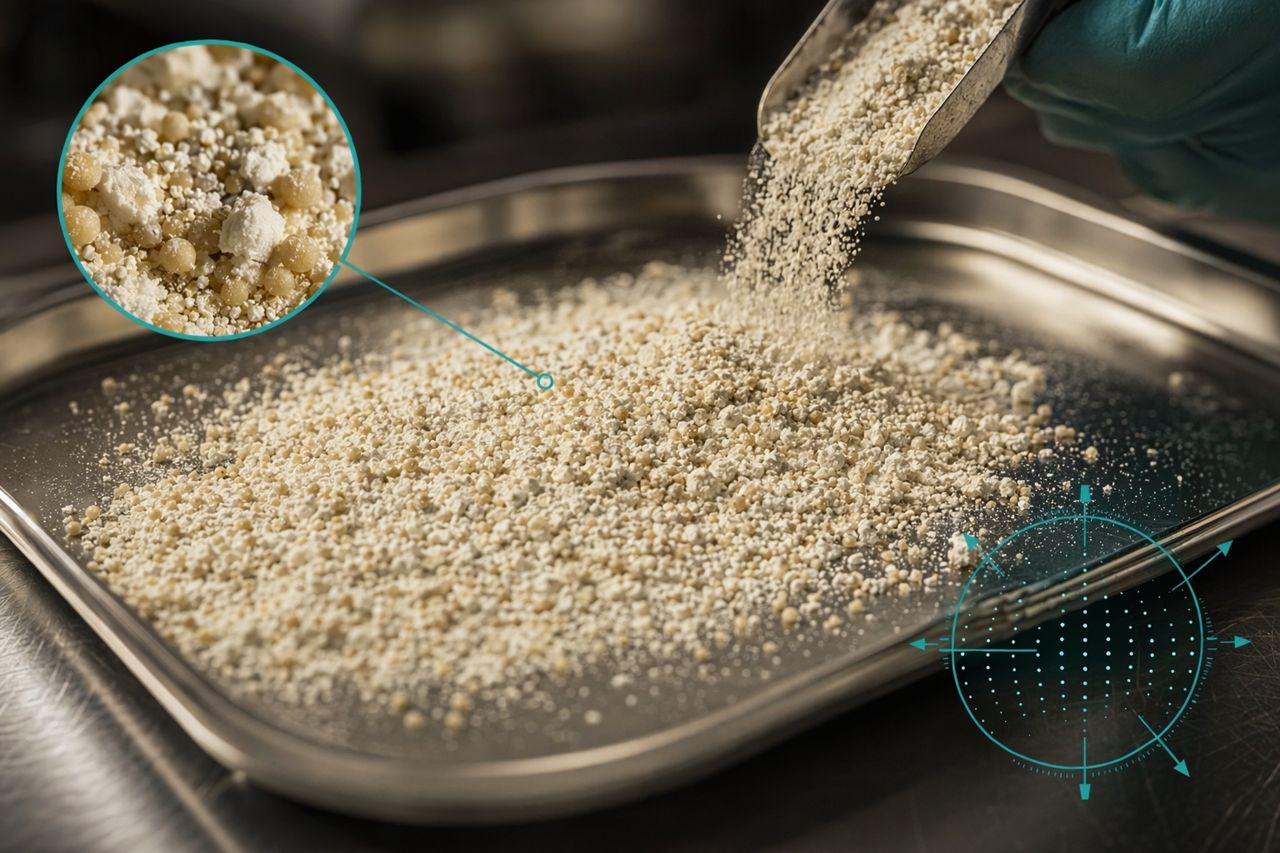
Enzymes must be distributed evenly through low-inclusion dry blends. We support formats and carrier strategies that help reduce hot spots, improve dispersion, and maintain performance from first bag to last bag.
Flow and handling
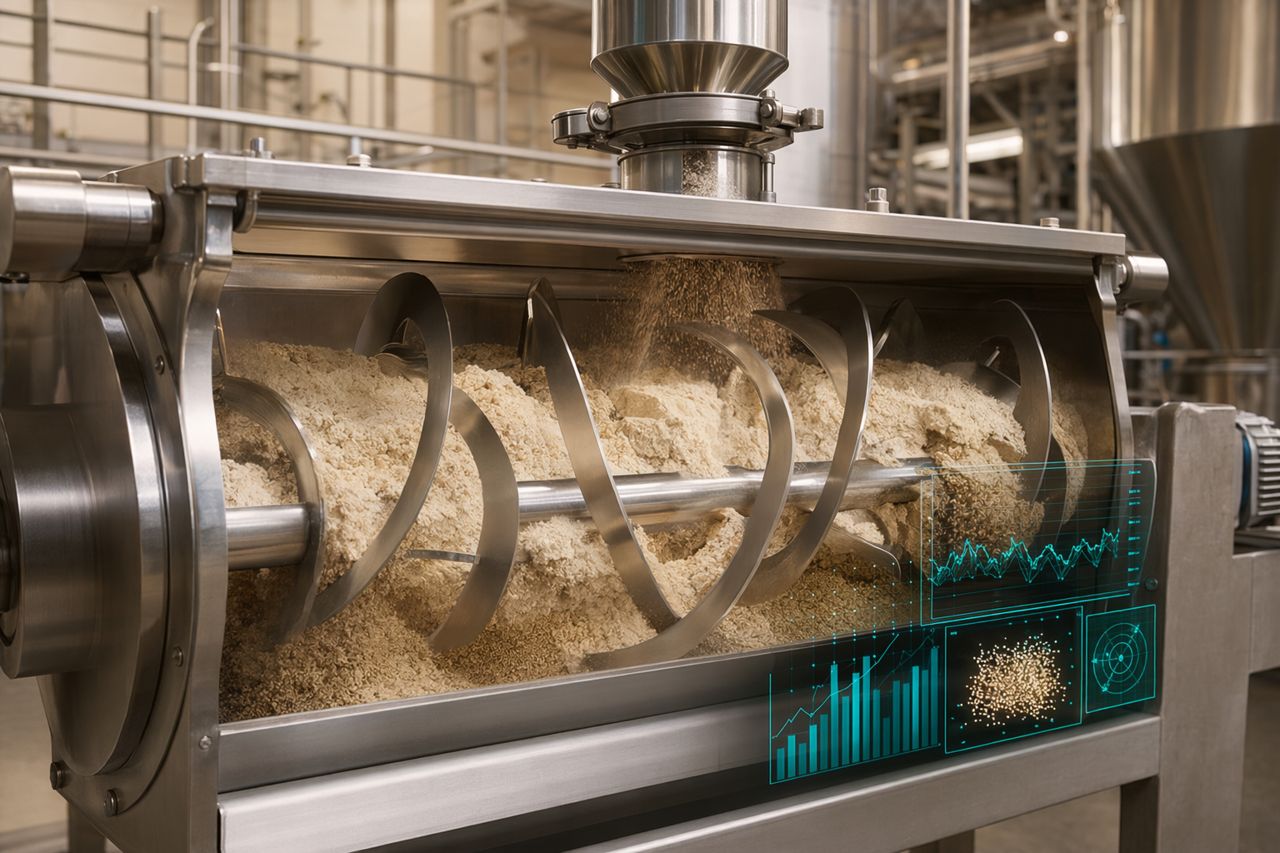
A bread improver must run through real equipment. We consider flow behavior, caking tendency, dust profile, and compatibility with ribbon blenders, tote systems, screw conveyors, and automated minor-ingredient dosing.
Storage stability
Premix manufacturers need enzyme systems that hold performance during warehousing and distribution. Formulation planning should account for humidity exposure, packaging format, temperature swings, and time in inventory.
Customer process tolerance
Your customers may operate different mixers, fermentation times, proofing conditions, and baking profiles. A well-balanced enzyme system widens the operating window instead of forcing bakeries into narrow process control.
Typical formulation objectives
DoughVector enzyme systems can be developed around specific commercial and technical targets, including:
- Bread improver concentrates for industrial bakeries
- Flour treatment premixes for millers supplying bakers
- Private-label improver blends for distributors
- Softness and shelf-life improver systems
- Dough strength and tolerance systems for weak flour
- Volume and crumb uniformity systems for buns and pan bread
- Cost-optimized improver systems with fewer redundant components
We can support single-enzyme bulk supply, matched enzyme combinations, or formulation-led ingredient packages for your existing premix architecture.
What buyers receive from DoughVector
When you request a quote, our team aligns the enzyme recommendation to your manufacturing reality, not just a generic bread improver template.
You can specify:
- Target application and bread type
- Current improver composition, if available
- Desired functional claims and performance gaps
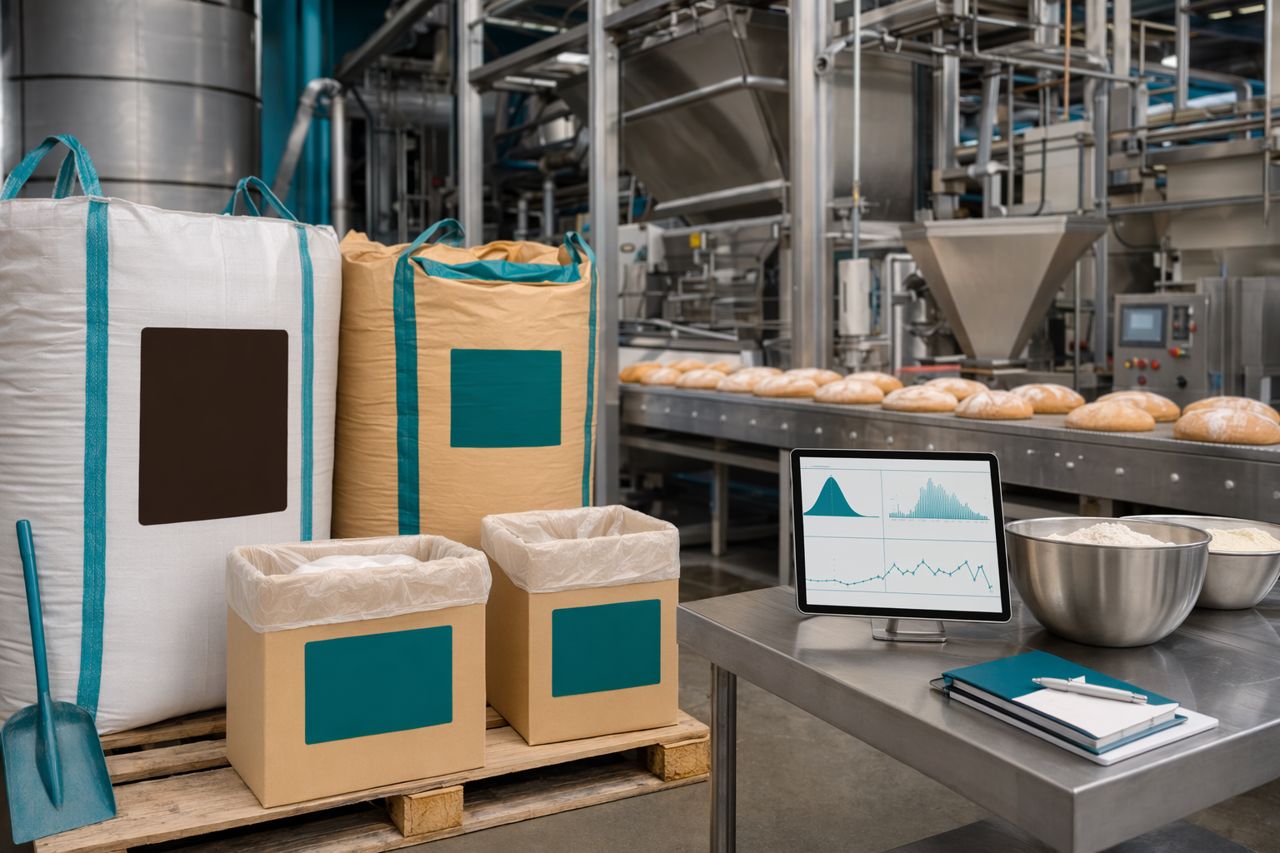
- Packaging preference for bulk handling
- Monthly or annual forecast volume
- Required documentation and compliance needs
- Destination market and customer specification constraints
We respond with a practical supply recommendation, packaging options, lead-time guidance, and technical next steps for evaluation.
Request a quote
If you manufacture bakery premixes or bread improver systems, DoughVector can help you source amylase, xylanase, glucose oxidase, and lipase in formats built for dry blending and industrial supply.
Request a quote using the on-site contact form and include your target bread application, current formulation challenge, and estimated volume. We will review the requirement and recommend a bulk enzyme option aligned to your premix process.